
What First-Time Land Buyers Should Know (2025)
Purchasing land is a great investment and exciting opportunity. But it’s also a big commitment, and we want you to have all the information you need to make the right choice for you and your family. Rural 1st experts are here to help.
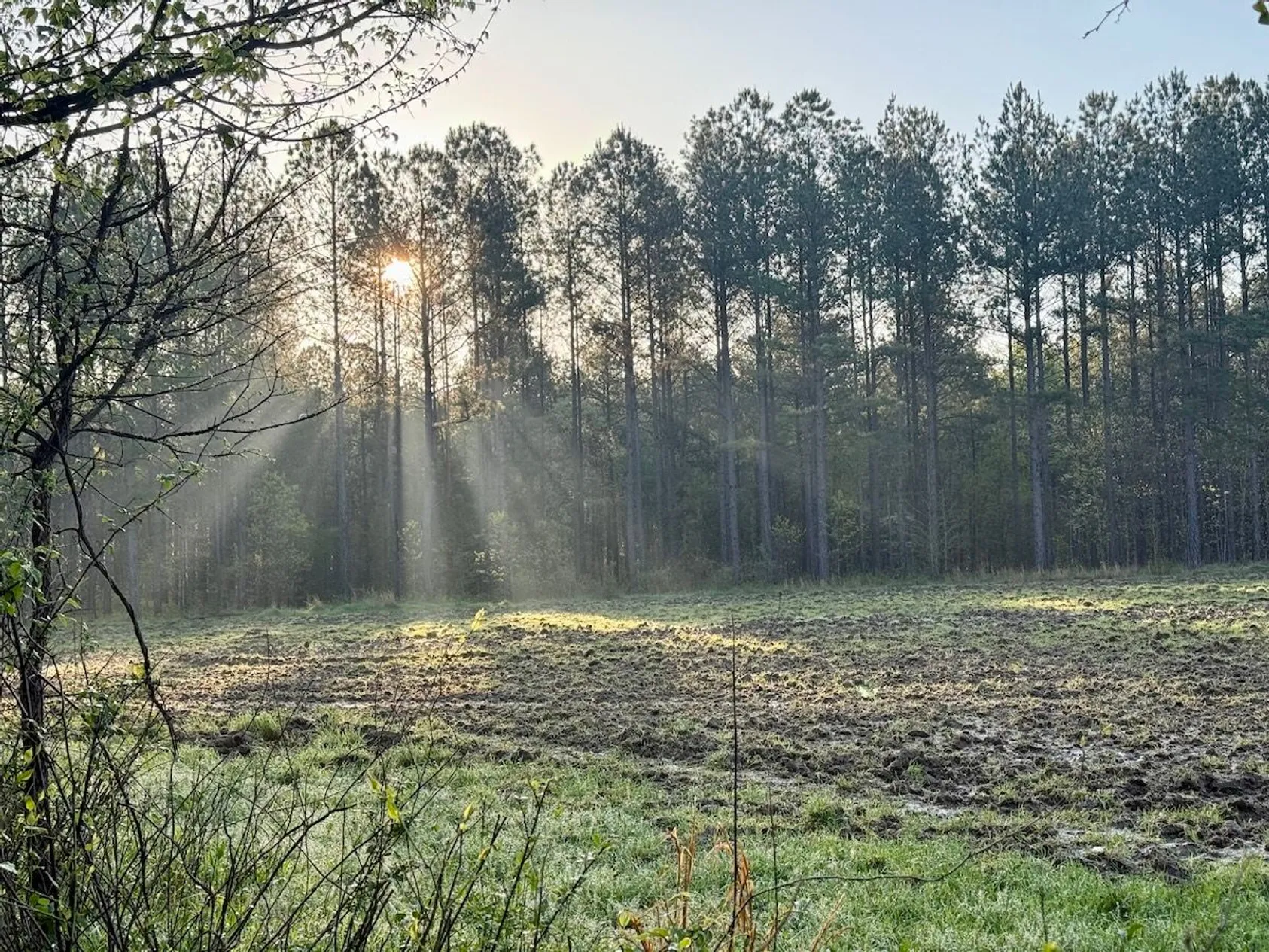
Land Use Matters
Before you start looking for properties, you need to decide how you plan to use the land. Whether for your home build or your next adventure, your desired land use will determine the type of property that’s right for you. For example, if you want the land for outdoor enjoyment and activities, you’ll want to make sure there’s enough acreage and wooded area to attract wildlife. Check out our Rural Property Finance Checklist for more guidance.
Remember that many banks don’t finance land not intended for a future build, so you’ll want to find a lender willing to work with you. Rural 1st offers financing to buy the land you want and expertise in insurance requirements, available grants, and more.
Buying Bare Land Is Different
Buying bare land is very different from the traditional home shopping experience. There are many unique considerations to keep in mind.
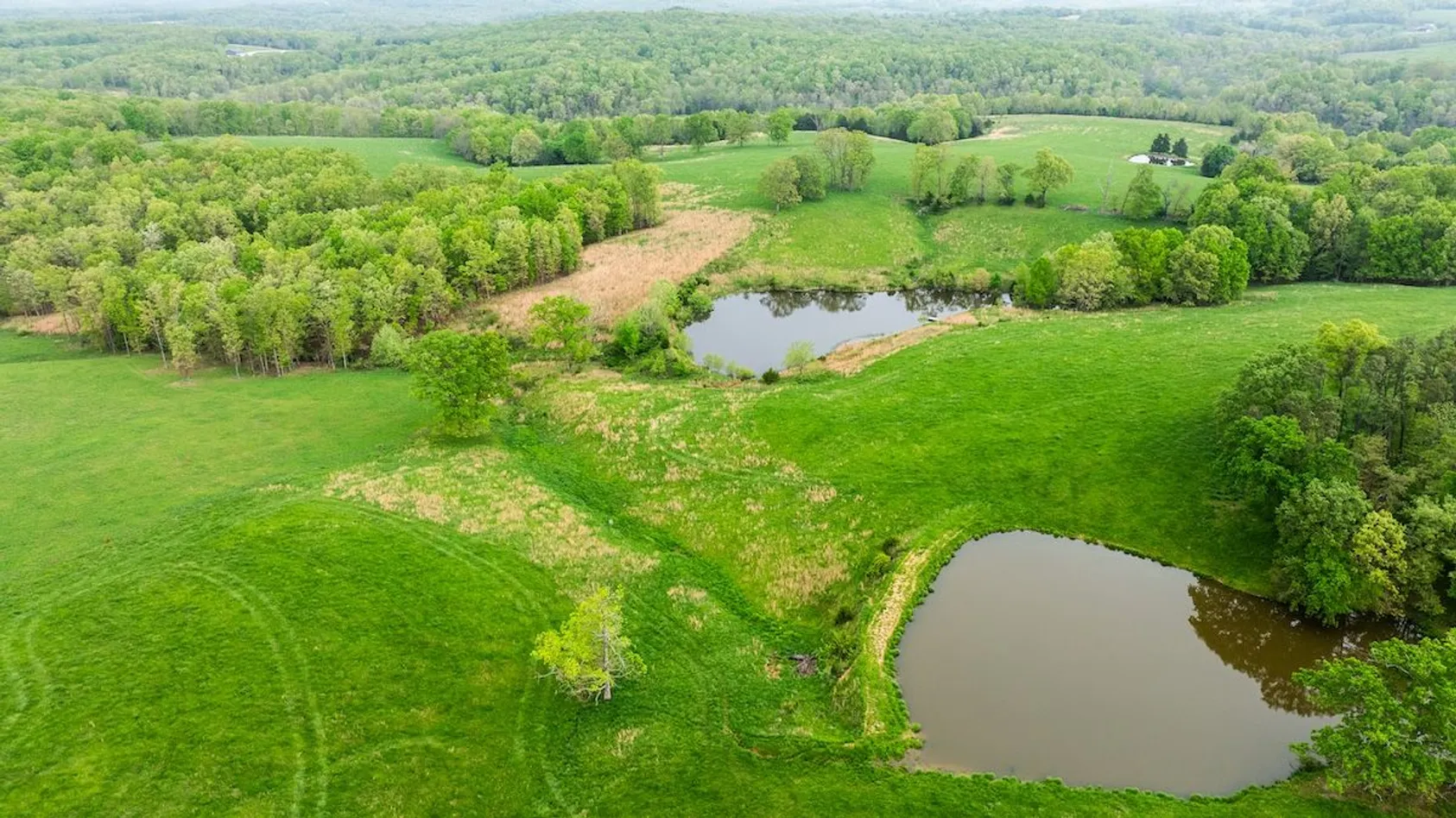
Property Access
Be sure your land is accessible or that you understand what you may need to do to make it so, as access issues can impact property value. We can connect you with the appropriate resources to determine your land’s accessibility.
Water
Having a body of water such as a pond or creek on your property has its benefits, but you’ll want to confirm factors such as flood zones, water quality, and any native fish populations and respective regulations. If you plan to build on the land in the future, you’ll also want to evaluate if you can drill a well and install a septic tank. A Rural 1st loan officer can connect you with the right professionals.
Surveys
If there’s no existing land survey, you may want to complete one to determine where boundaries lie. At the very least, we recommend getting aerial photos and topographic maps of the property and requesting boundary line information from the appropriate county officials.

Taxes
Some states have laws that allow certain land to be taxed on present use instead of market value. If you purchase property currently enrolled in a reduced tax program, there could be penalties if it’s not re-enrolled. A Rural 1st loan officer can help you find a resource to walk you through the laws that apply in your state.
Land Management
Once you purchase your land, the fun begins — and so do the responsibilities. If the property you’ve purchased is open acreage, the land can be maintained as is. Heavily wooded land, however, should be maintained under the advice of a forestry or land management specialist to ensure it stays healthy.
Timber
If you’re considering selling the timber on the land, hire a professional to walk the property, count and measure the trees and provide an estimate. This will give you a good idea of what the timber is worth.
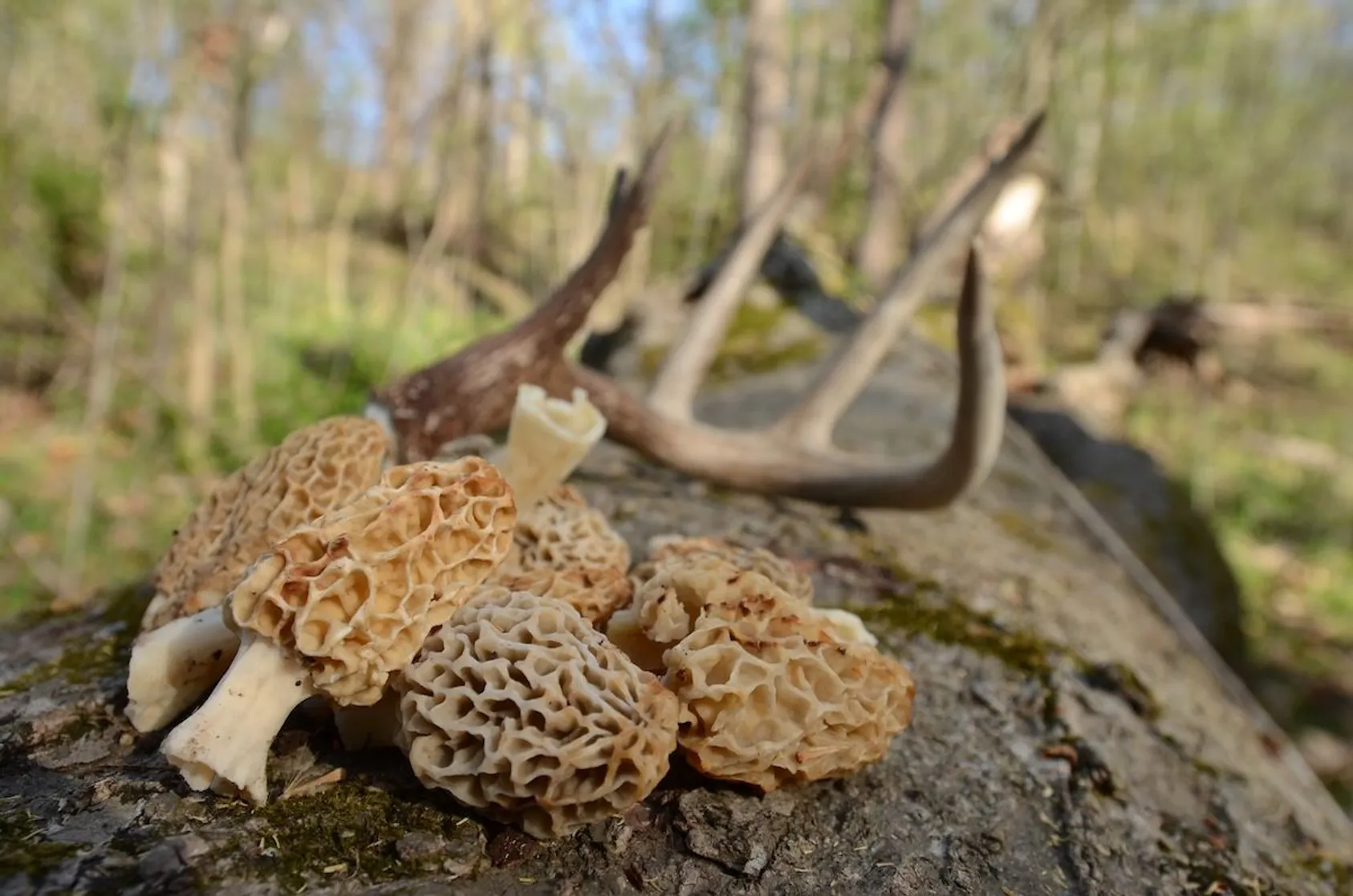
Farming
If your property has open acreage that you don’t plan to farm yourself, consider renting to a local farmer as a revenue source and built-in land maintenance.
Nature
If you want to increase wildlife on your property, consider planting food plots to attract animals. Organizations like the National Deer Association (NDA) can provide tips, tricks, and best practices.
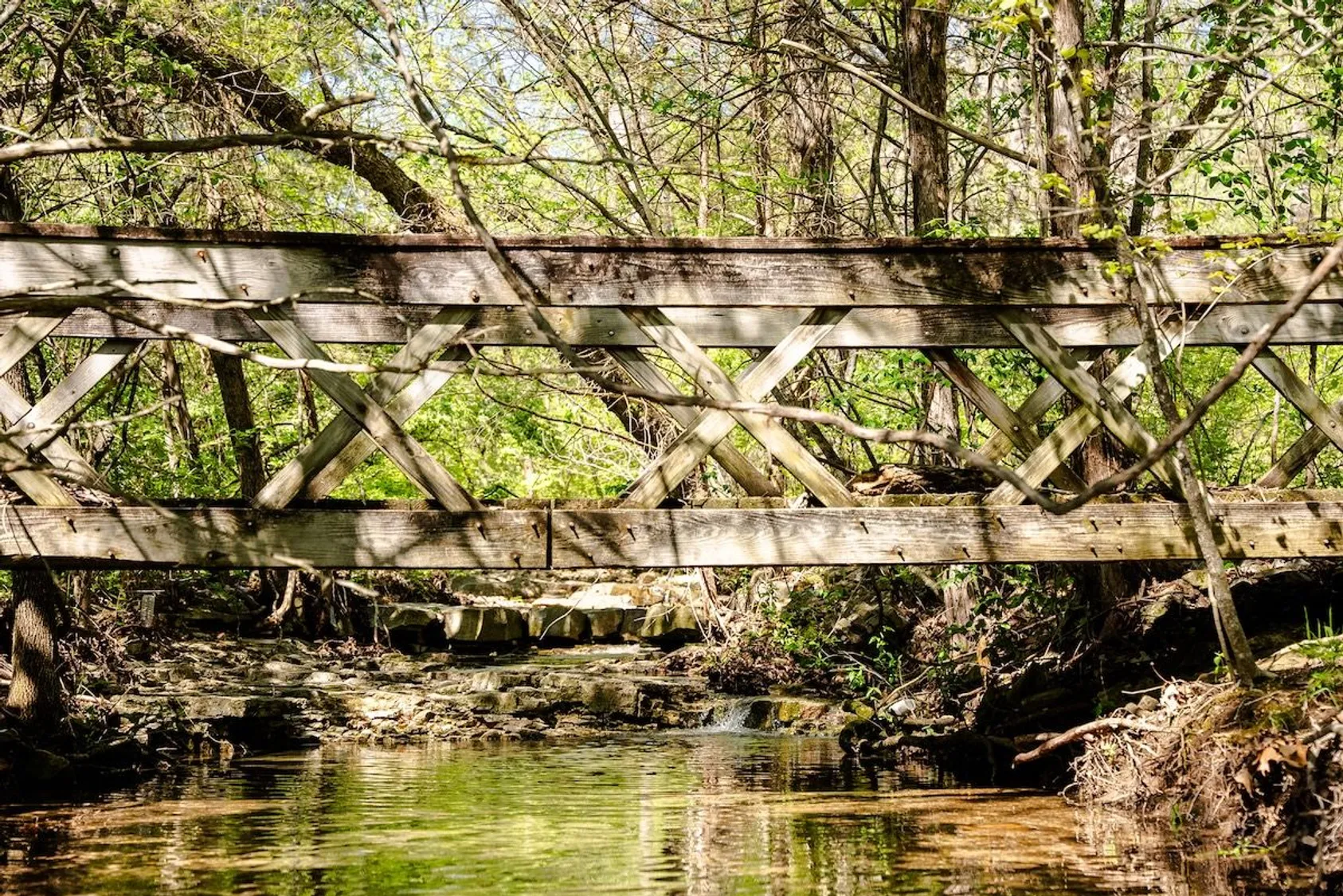
Future Planning Is Important
At some point, you may want to make improvements to your land. Discuss options with your lender early to ensure things go smoothly once you’re ready to begin. Rural 1st can provide financing for improvements such as utility installation, road construction, and fencing.
The prospect of purchasing rural land for the first time can be overwhelming. Working with a team of professionals who understand the nuances of rural land buying can give you peace of mind and make the process seamless. Rural 1st is the leader in rural lending because we live out here, too, and are ready to help you on your journey.
To learn more about Rural 1st, visit Rural1st.com/Whitetail.